
What were the challenges?
  1. Difficult to keep track of follow up activities after an NCR has been raised; specifically if rework or replacement is required
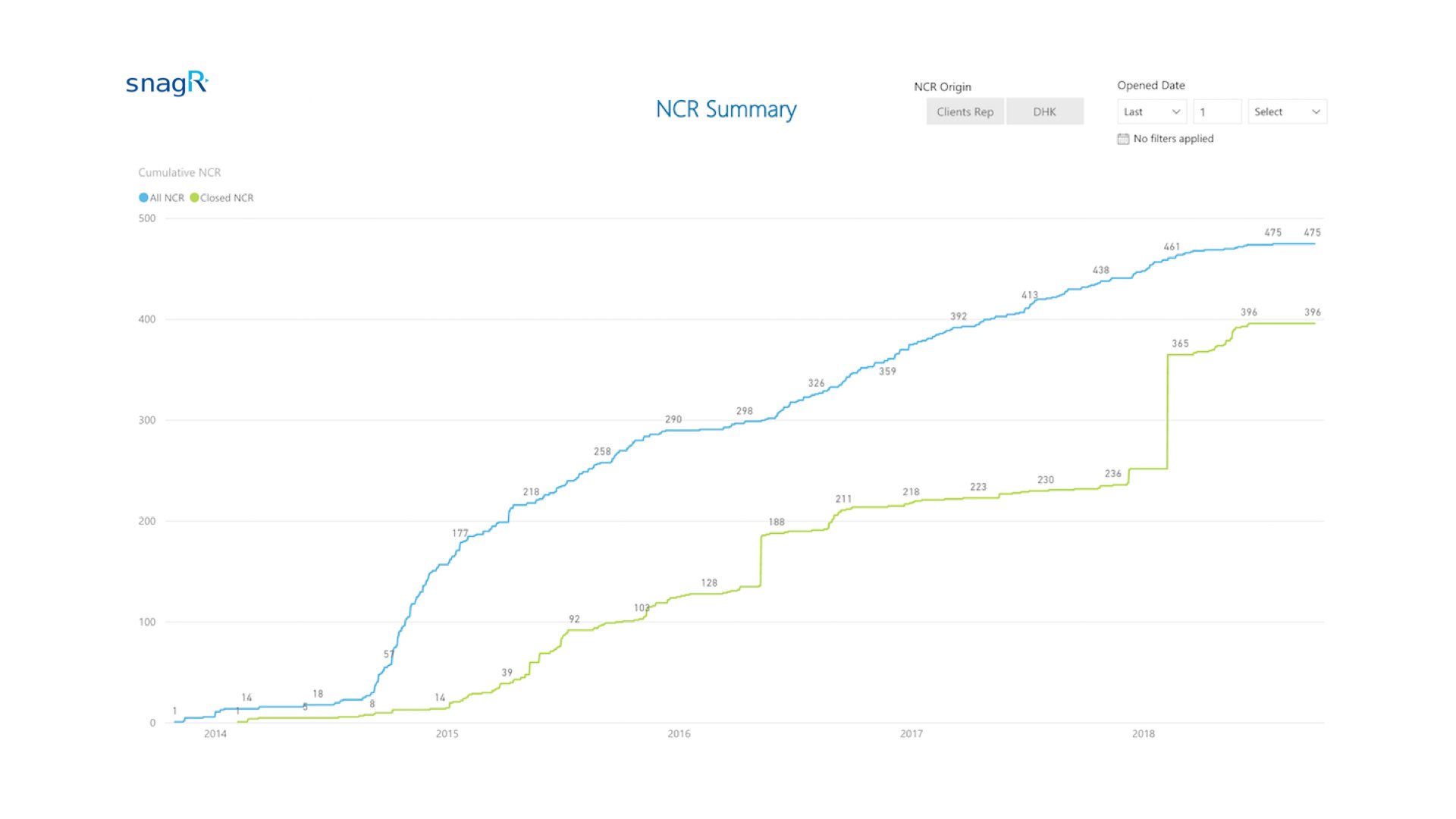
  2. High effort and workload to compile statistical report by any time dimensions or categories
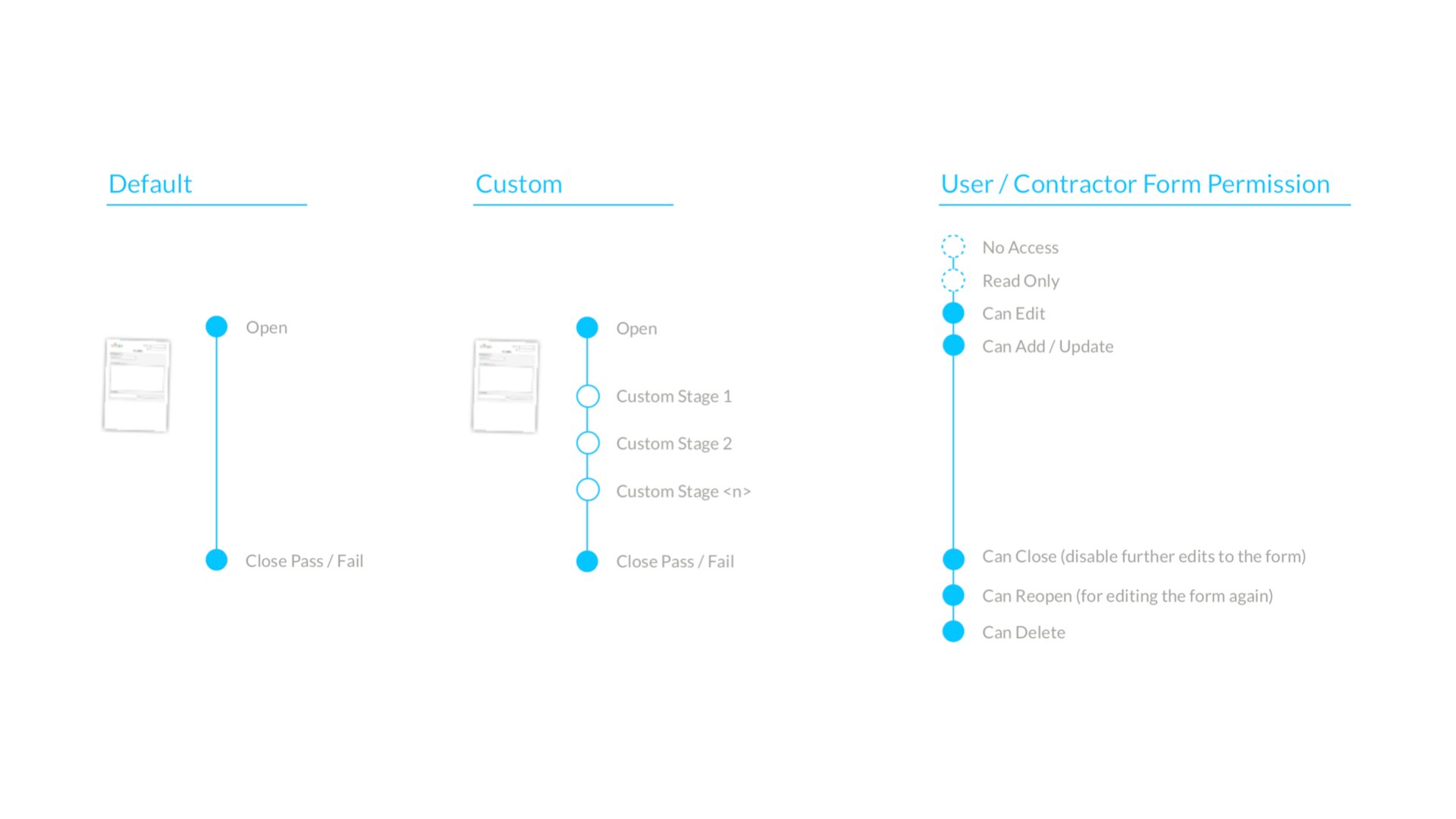
Before Implementing SnagR The contractor receive or raise an NCR internally by paper forms. The engineers or site admin team input data into a master Excel spreadsheet. The information on spreadsheet can often fall behind due to delayed update. The spreadsheet is used to generate summary and progress report on NCR follow ups. How did SnagR help?
  1. Digitalise Non Conformance Report (NCR)
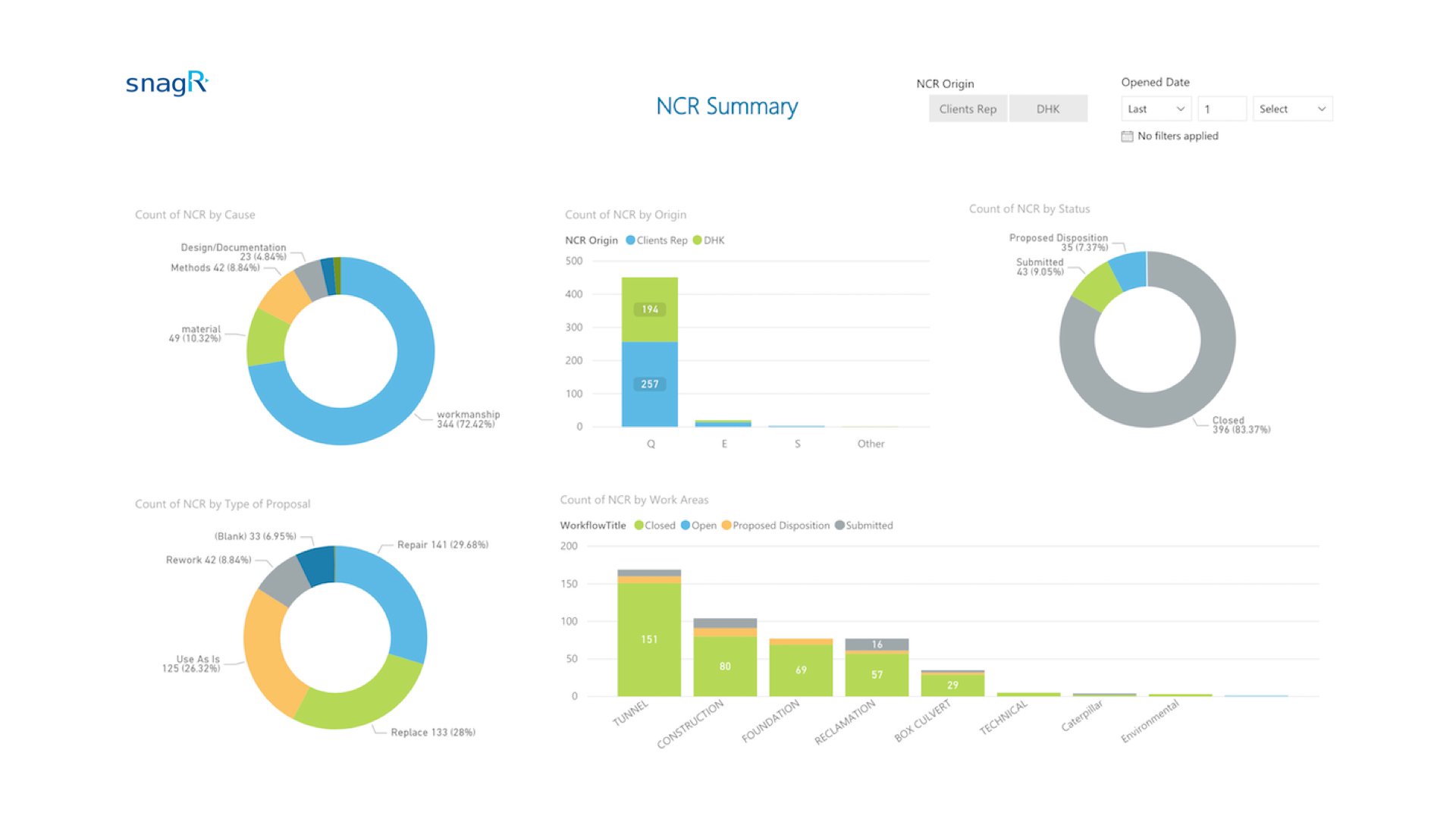
  2. Automate reports to summarise NCR statuses and costs involved, that can be filtered by time range and various categories
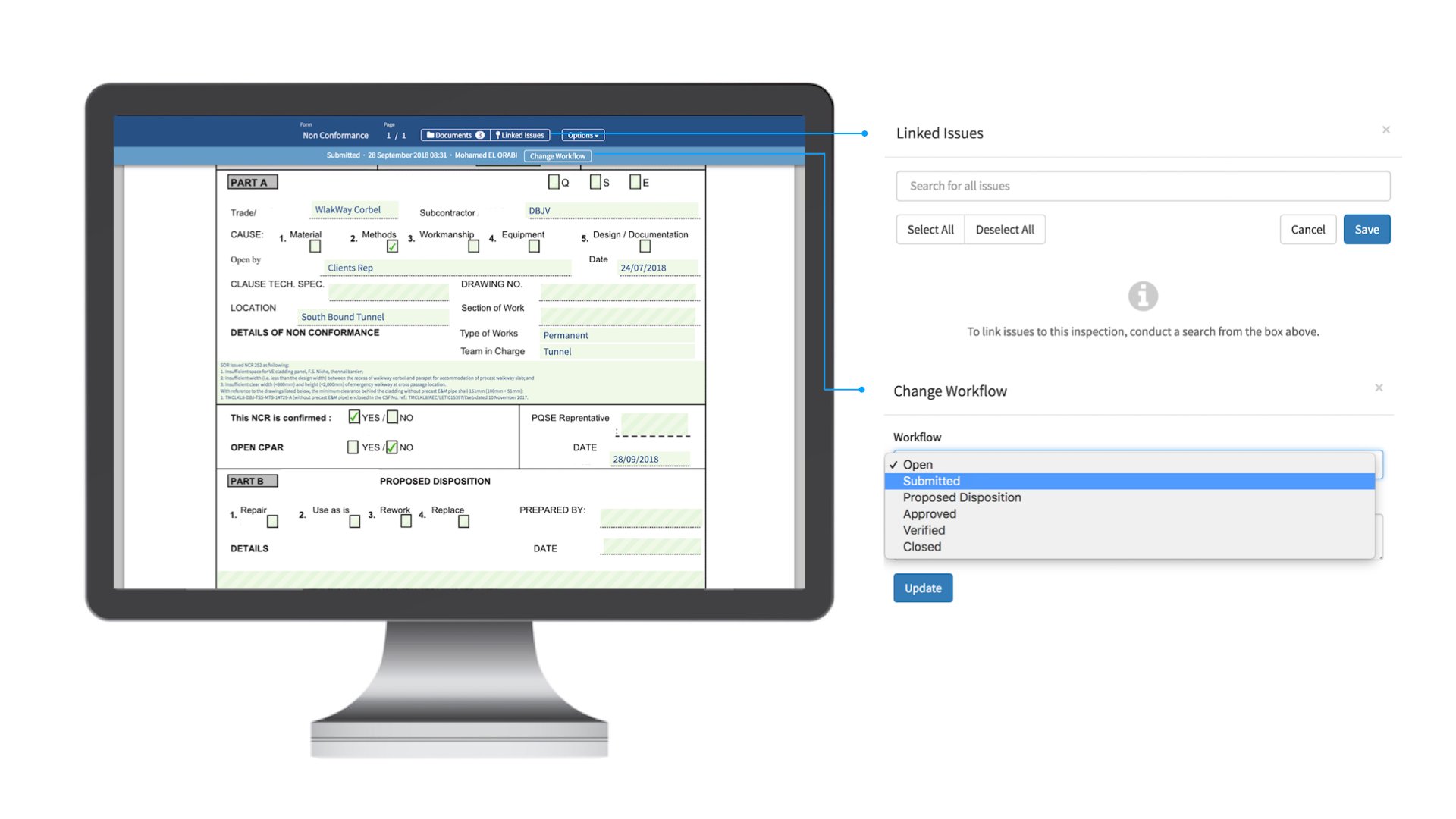
A****fter Implementing SnagR The Request for Inspection form is digitalised on SnagR. Engineers submit NCR mostly through the website as there can be some heavy typing. It is possible to link issues to NCR, when engineers or managers would like to escalate an issue onsite. Success Stories Handover to Purchaser.046 Collaboration takes place, and multiple parties are involved in the process. Teams are configured with a permission set to protect data integrity. Success Stories Handover to Purchaser.042 Here are some examples of automated reporting: Success Stories Handover to Purchaser.047 Success Stories Handover to Purchaser.048 What is required to set this up?
  1. NCR form in PDF, png or jpeg
  2. List of users and contractors who will have to submit NCR
  3. List of current workflow stages and mappings to permission sets for teams or users
  4. List of locations that an NCR may be raised against
  5. Existing statistical reports (if any)
Note Here are the main features used in SnagR:
  1. Submit forms
  2. Search forms
  3. Custom Dashboard